After covering soil pH in my last article (Spring 2026), this one looks at understanding the moisture and composition of your soil/compost.
You visit a garden centre and find a plant you like. Holding your breath, you turn over the label, in the hope it doesn’t include the dreaded sentence, ‘needs moist but well drained soil’. What?
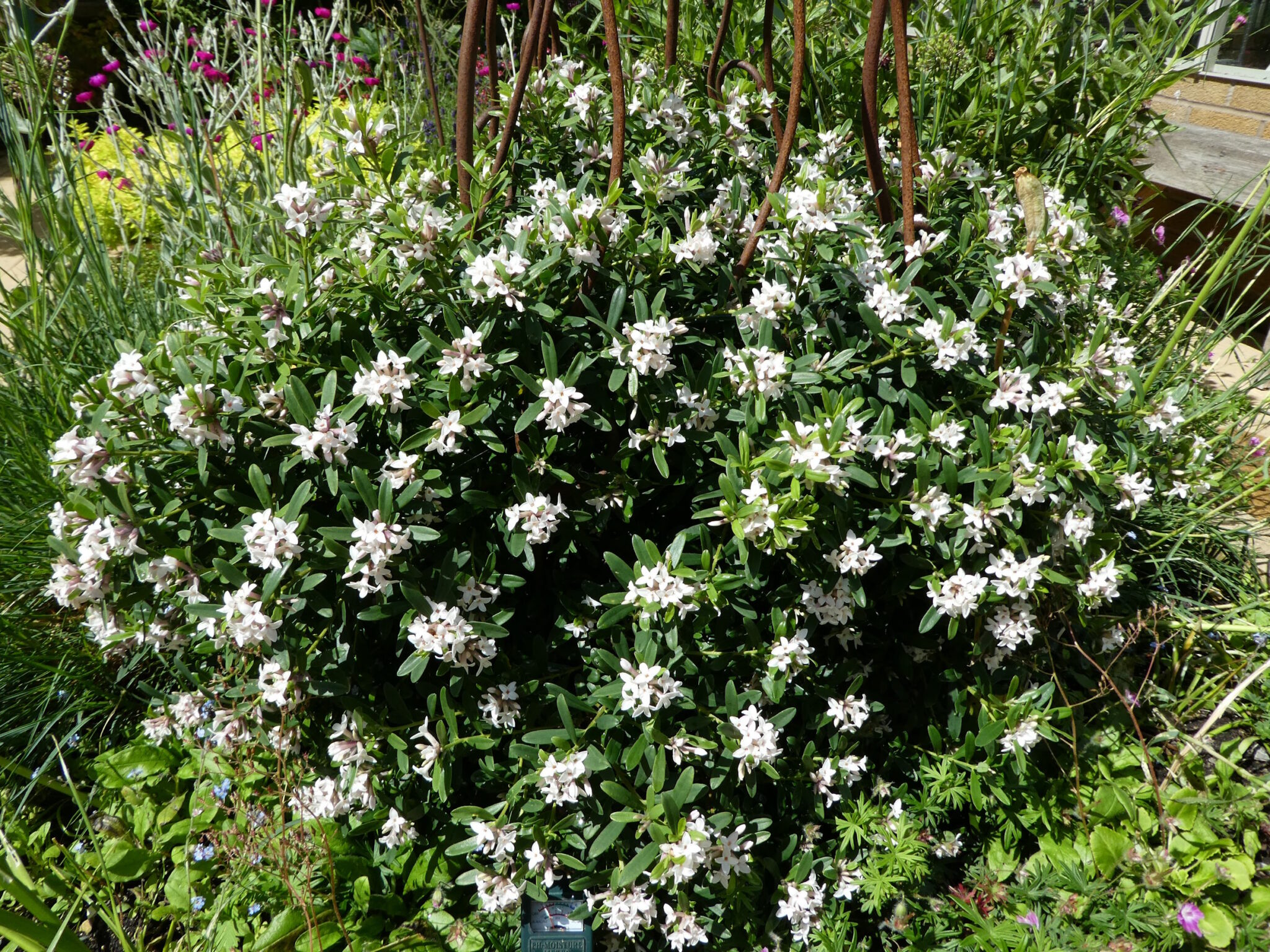
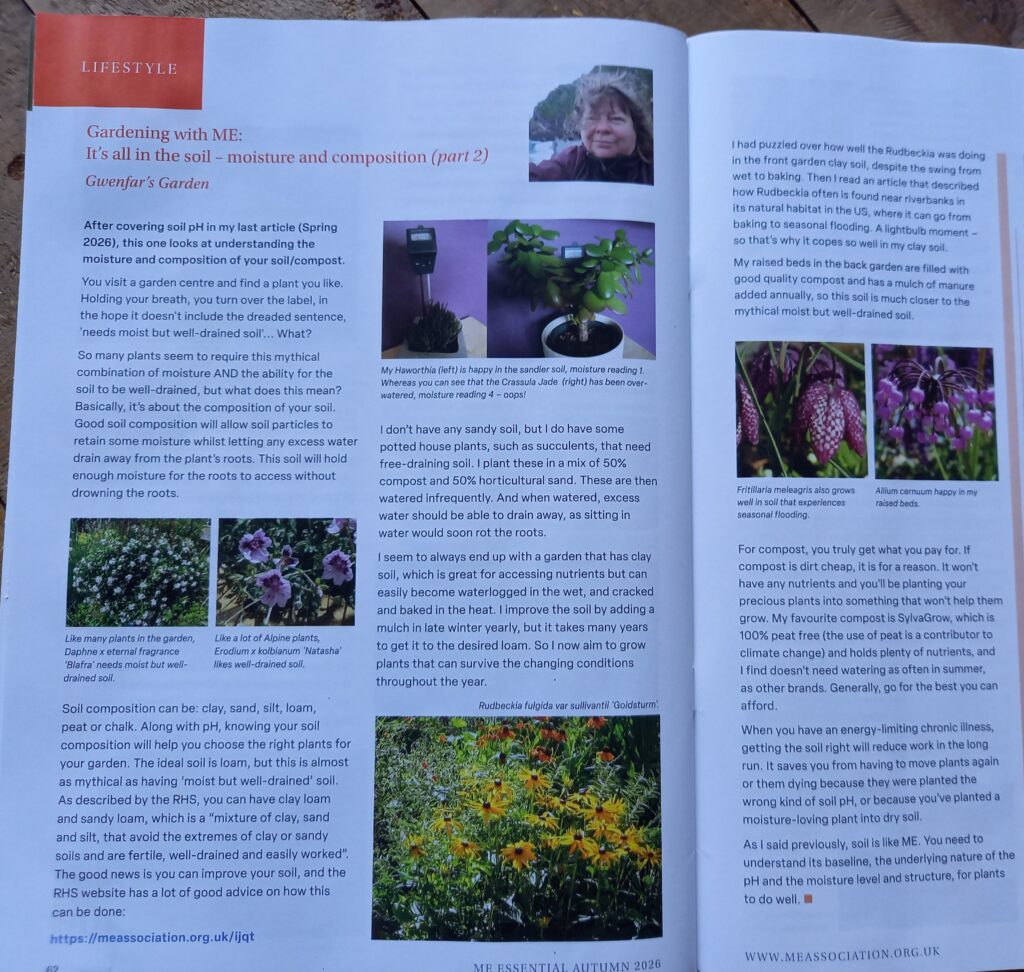
needs moist but well-drained soil.
So many plants seem to require this mythical combination of moisture AND the ability for the soil to be well-drained, but what does this mean? Basically, it’s about the composition of your soil. Good soil composition will allow soil particles retain some moisture whilst letting any excess water drain away from the plant’s roots. This soil will hold enough moisture for the roots to access without drowning the roots.
Soil composition can be: clay, sand, silt, loam, peat or chalk. Along with pH, knowing your soil composition will help you choose the right plants for your garden. The ideal soil is loam, but this is almost as mythical as having ‘moist but well-drained’ soil. As described by the RHS, you can have clay-loam and sandy loam, which is a “mixture of clay, sand and silt, that avoid the extremes of clay or sandy soils and are fertile, well-drained and easily worked”. The good news is you can improve your soil, and the RHS website has a lot of good advice on how this can be done.
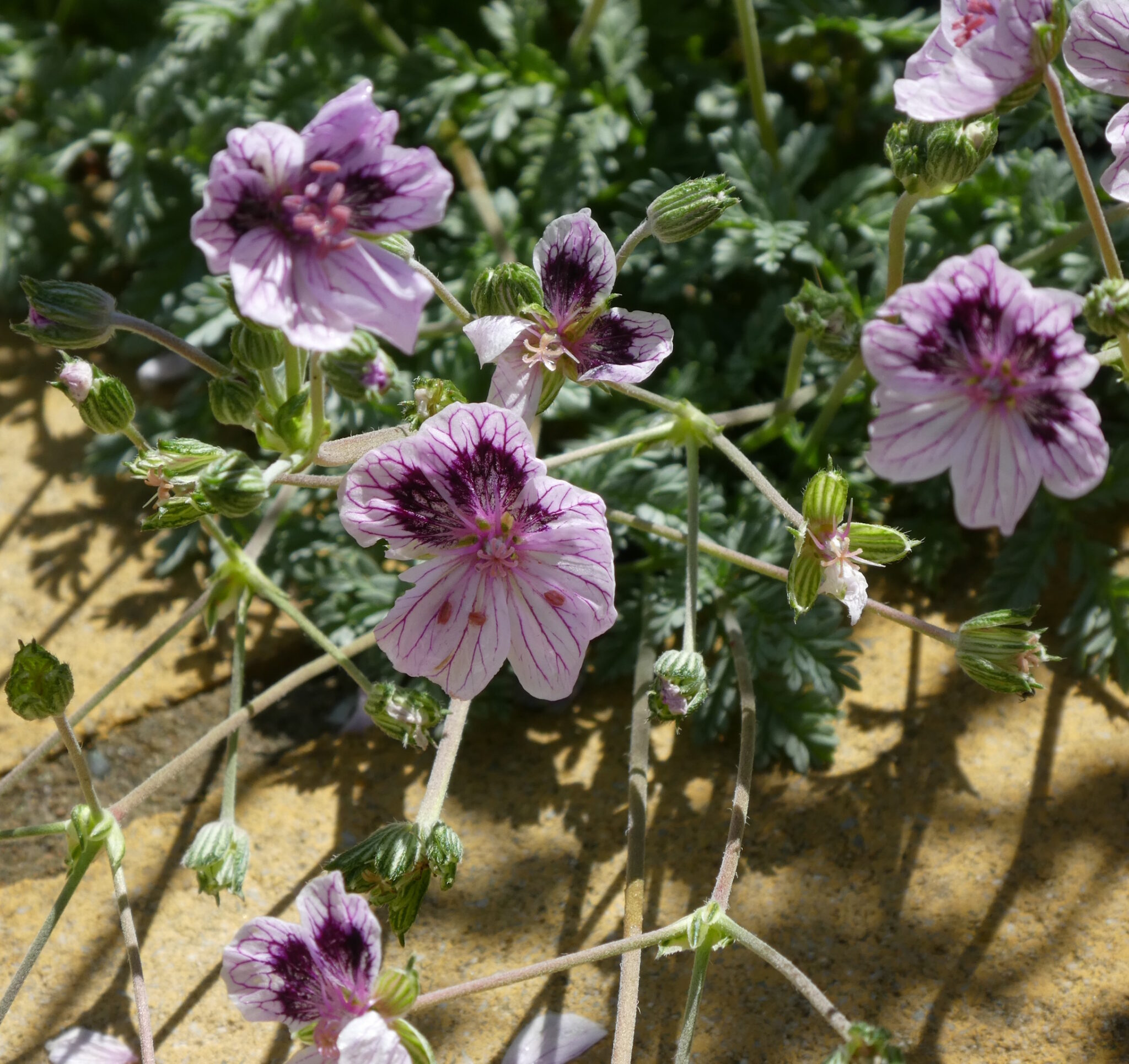
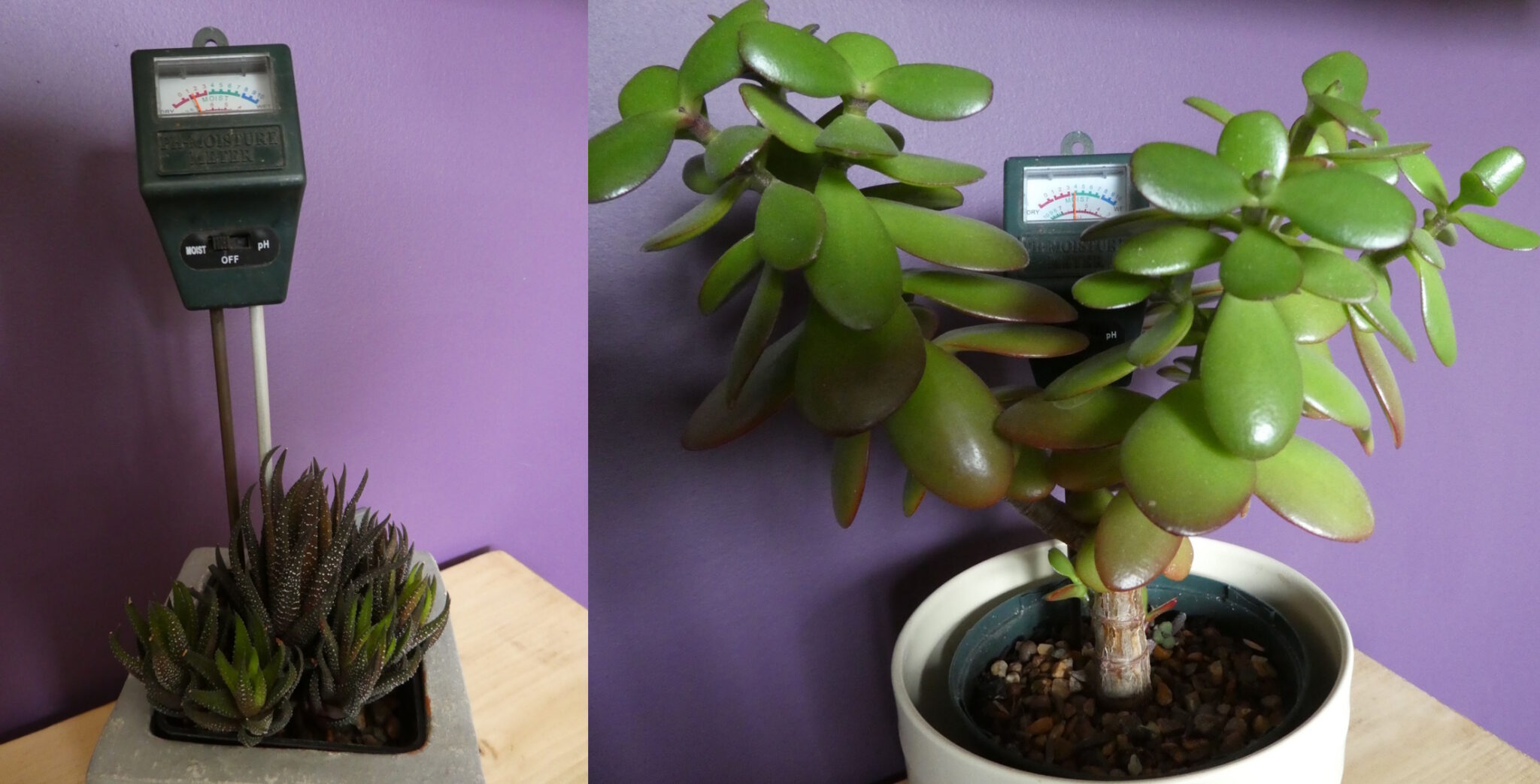
I don’t have any sandy soil, but I do have some potted house plants, such as succulents, that need free draining soil. I plant these in a mix of 50% compost and 50% horticultural sand. These are then watered infrequently. And when watered, excess water should be able to drain away, as sitting in water would soon rot the roots.
I seem to always end up with a garden that has clay soil, which is great for accessing nutrients, but can easily become waterlogged in the wet, and cracked and baked in the heat. I improve the soil by adding a mulch late winter yearly, but it takes many years to get it to the desired loam. So I now aim to grow plants that can survive the changing conditions throughout the year.
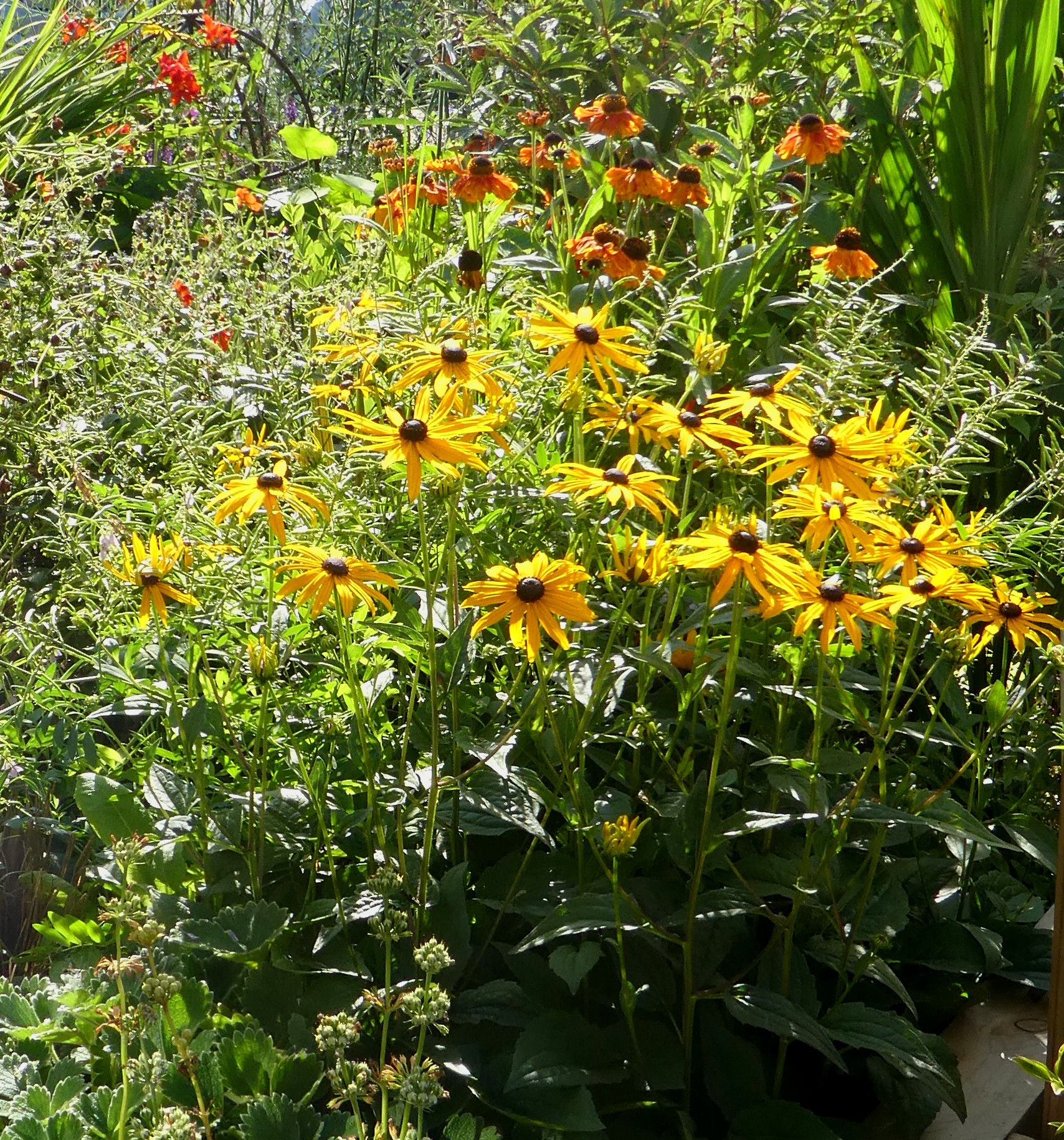
I had puzzled over how well the Rudbeckia was doing in the front garden clay soil, despite the swing from wet to baking. Then I read an article that described how Rudbeckia often is found near riverbanks in it’s natural habitat in the US, where it can go from baking to seasonal flooding. A lightbulb moment – so that’s why it copes so well in my clay soil.
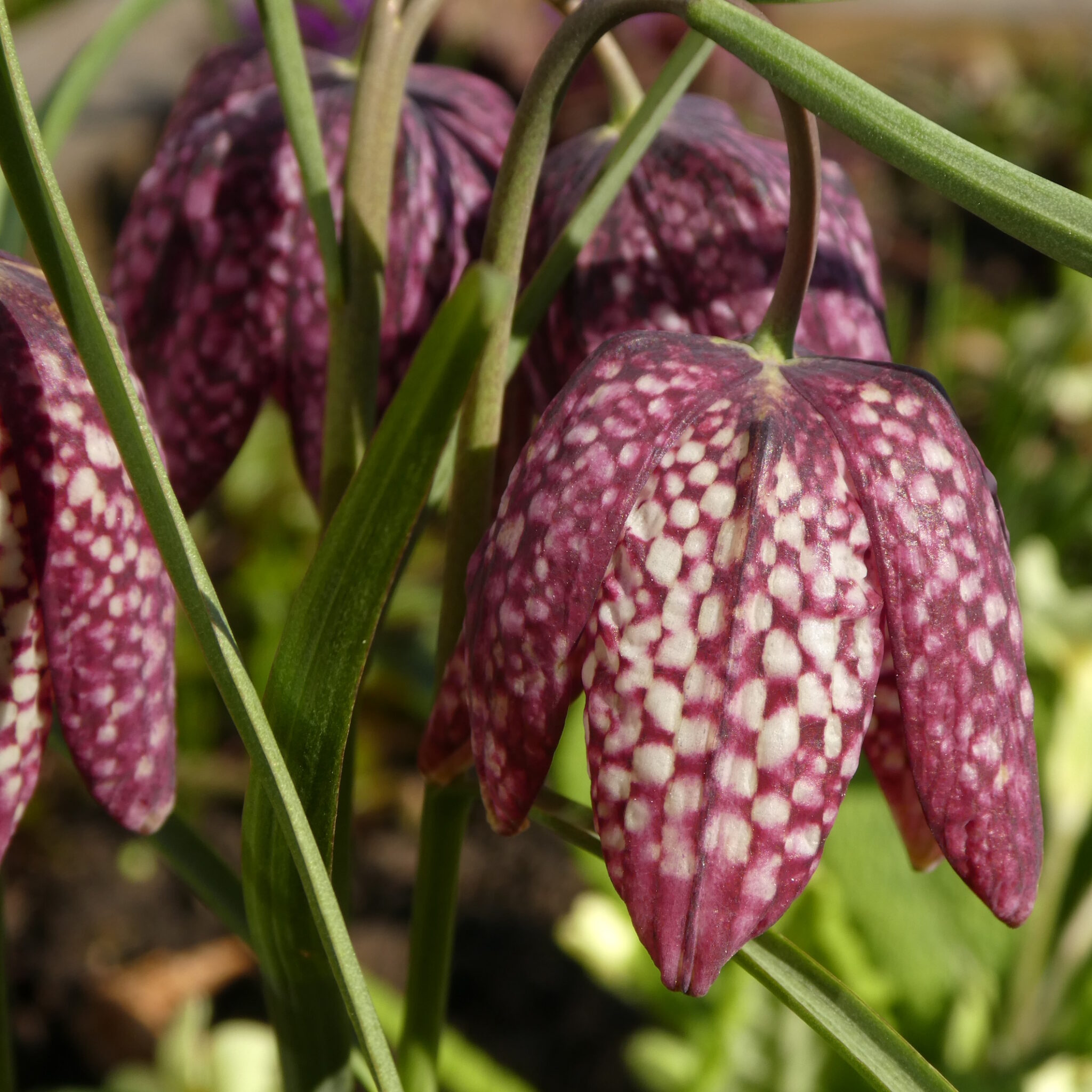
My raised beds in the back garden are filled with good quality compost and has a mulch of manure added annually, so this soil is much closer to the mythical moist but well-drained soil.
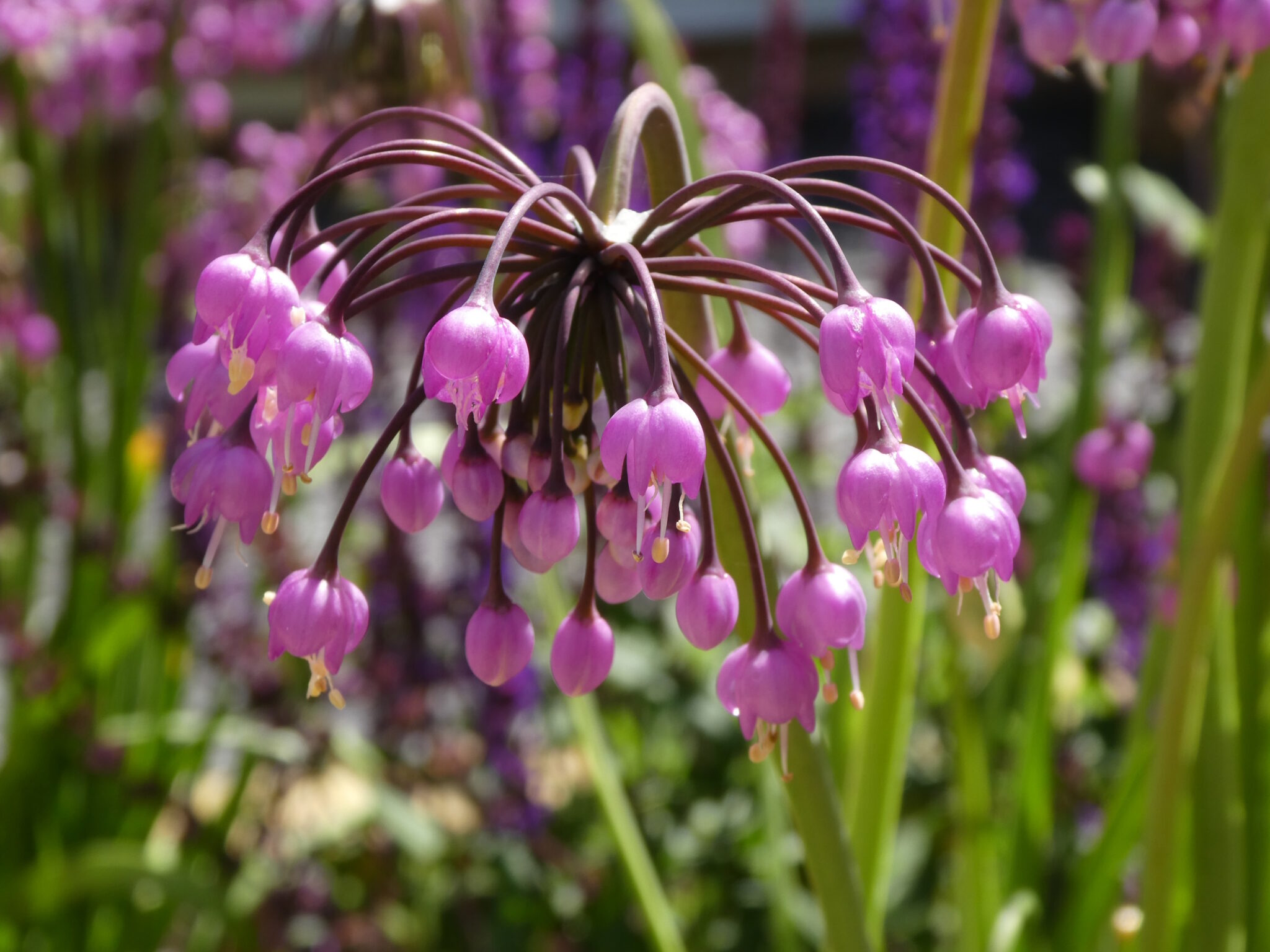
For compost, you truly get what you pay for. If compost is dirt cheap, it is for a reason. It won’t have any nutrients and you’ll be planting your precious plants into something that won’t help them grow. My favourite compost is SylvaGrow, which is 100% peat free (the use of peat is a contributor to climate change) and holds plenty of nutrients, and I find doesn’t need watering as often in summer, as other brands. Generally, go for the best you can afford.
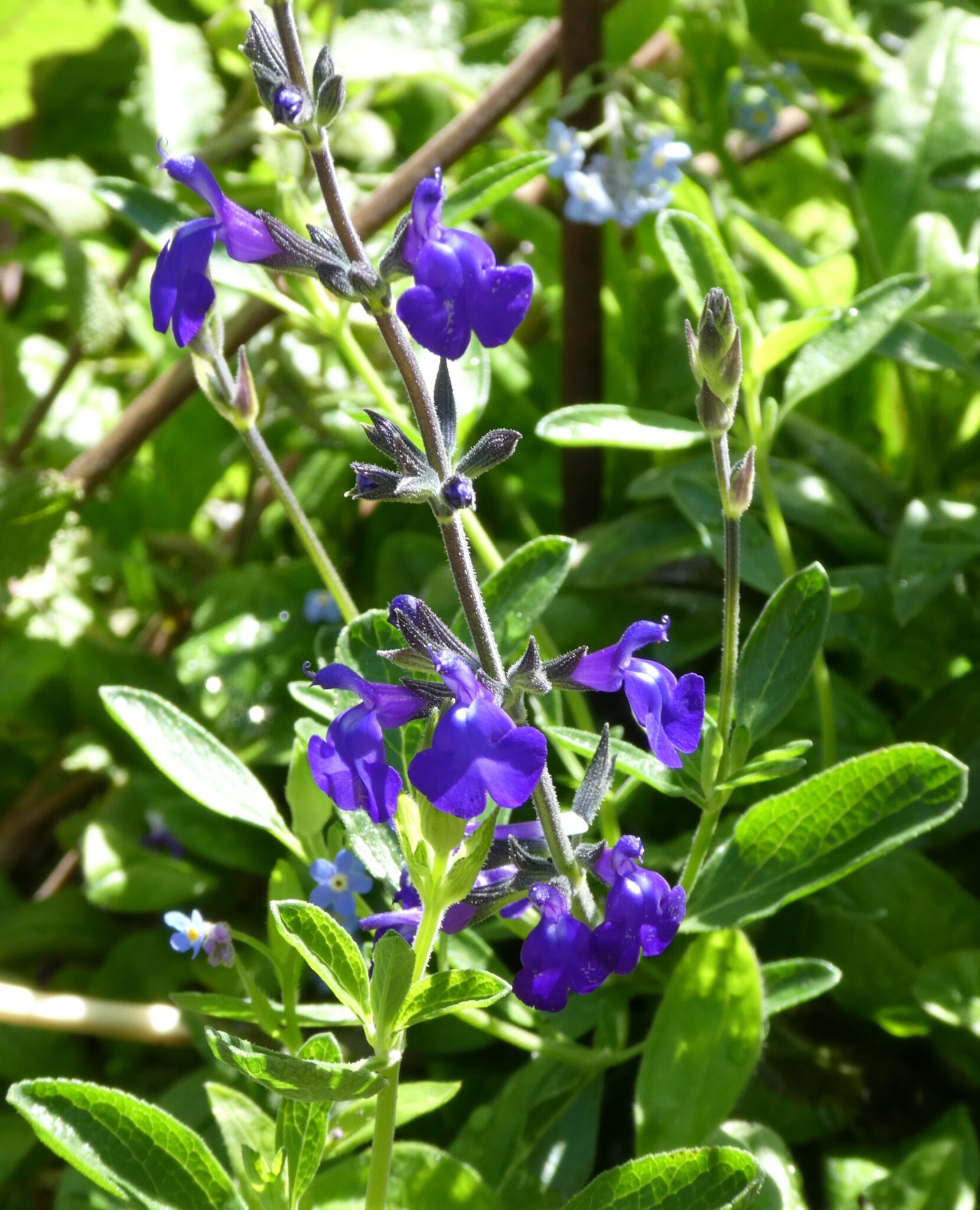
When you have an energy limiting chronic illness, getting the soil right will reduce work in the long run. It saves you from having to move plants again or them dying because they were planted the wrong kind of soil pH, or because you’ve planted a moisture-loving plant into dry soil.
As I said previously, soil is like ME. You need to understand it’s baseline, the underlying nature of the pH and the moisture level and structure, for plants to do well.