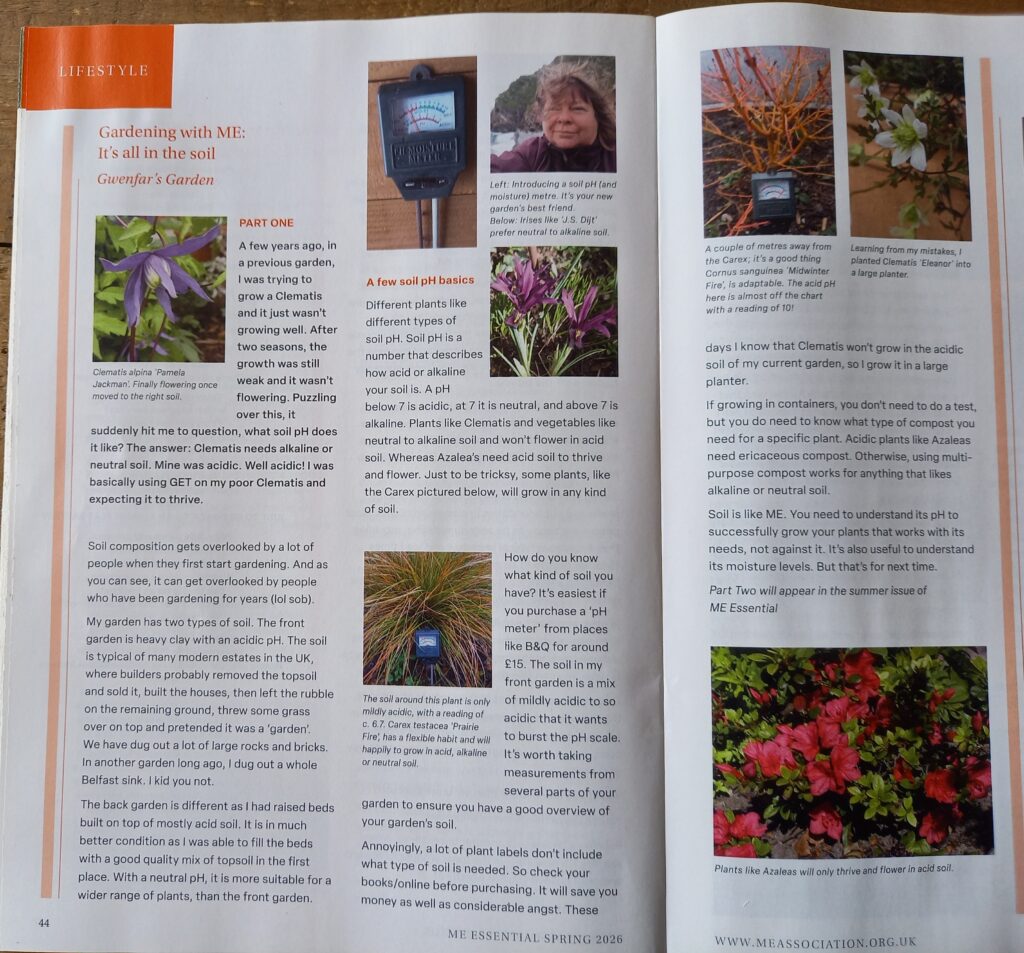
It’s your new garden best friend.
A few years ago, in a previous garden, I was trying to grow a Clematis and it just wasn’t growing well. After two seasons, the growth was still weak and it wasn’t flowering. Puzzling over this, it suddenly hit me to question, what soil pH does it like? The answer: Clematis needs alkaline or neutral soil. Mine was acidic. Well acidic. I was basically using GET on my poor Clematis and expecting it to thrive.
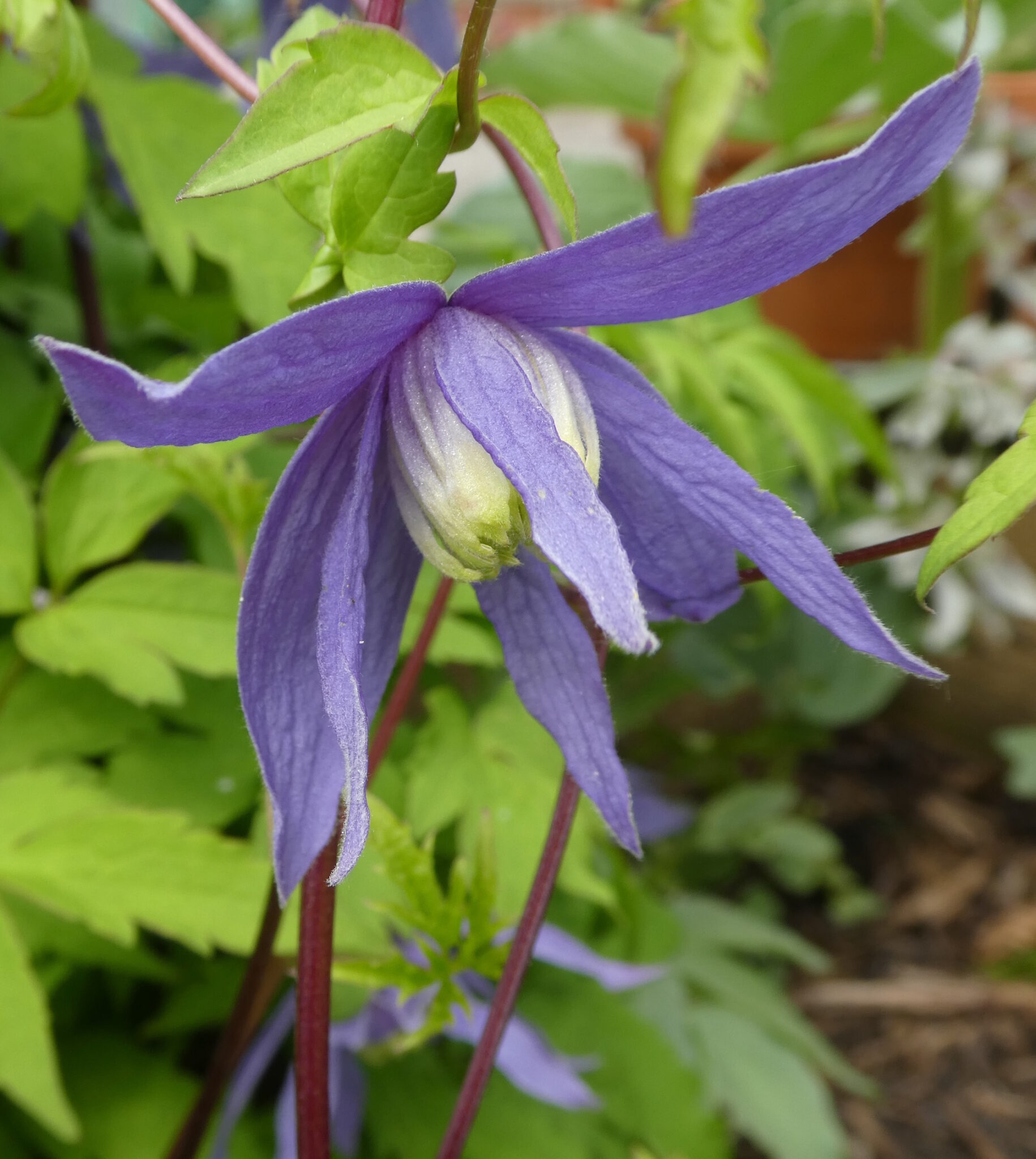
Finally flowering once moved to the right soil.
Soil composition gets overlooked by a lot of people when they first start gardening. And as you can see, it can get overlooked by people who have been gardening for years (lol sob).
My garden has two types of soil. The front garden is heavy clay with an acidic pH. The soil is typical of many modern estates in the UK, where builders probably removed the topsoil & sold it, built the houses, then left the rubble on the remaining ground, threw some grass over on top and pretended it was a ‘garden’. We have dug out a lot of large rocks and bricks. In another garden long ago, I dug out a whole Belfast sink. I kid you not.
The back garden is different as I had raised beds built on top of mostly acid soil. It is in much better condition as I was able to fill the beds with a good quality mix of topsoil in the first place. With a neutral pH, it is more suitable for a wider range of plants, than the front garden.
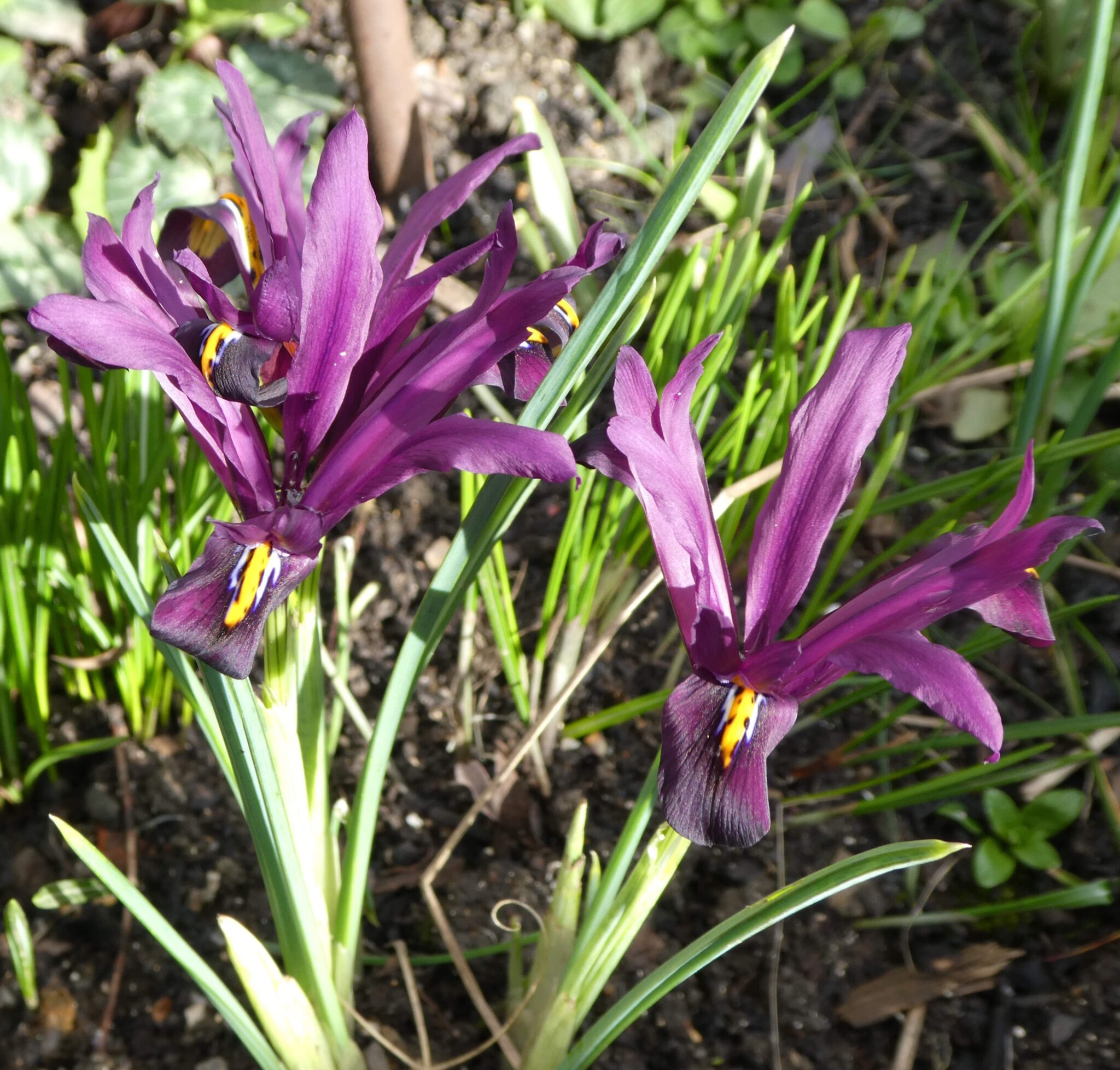
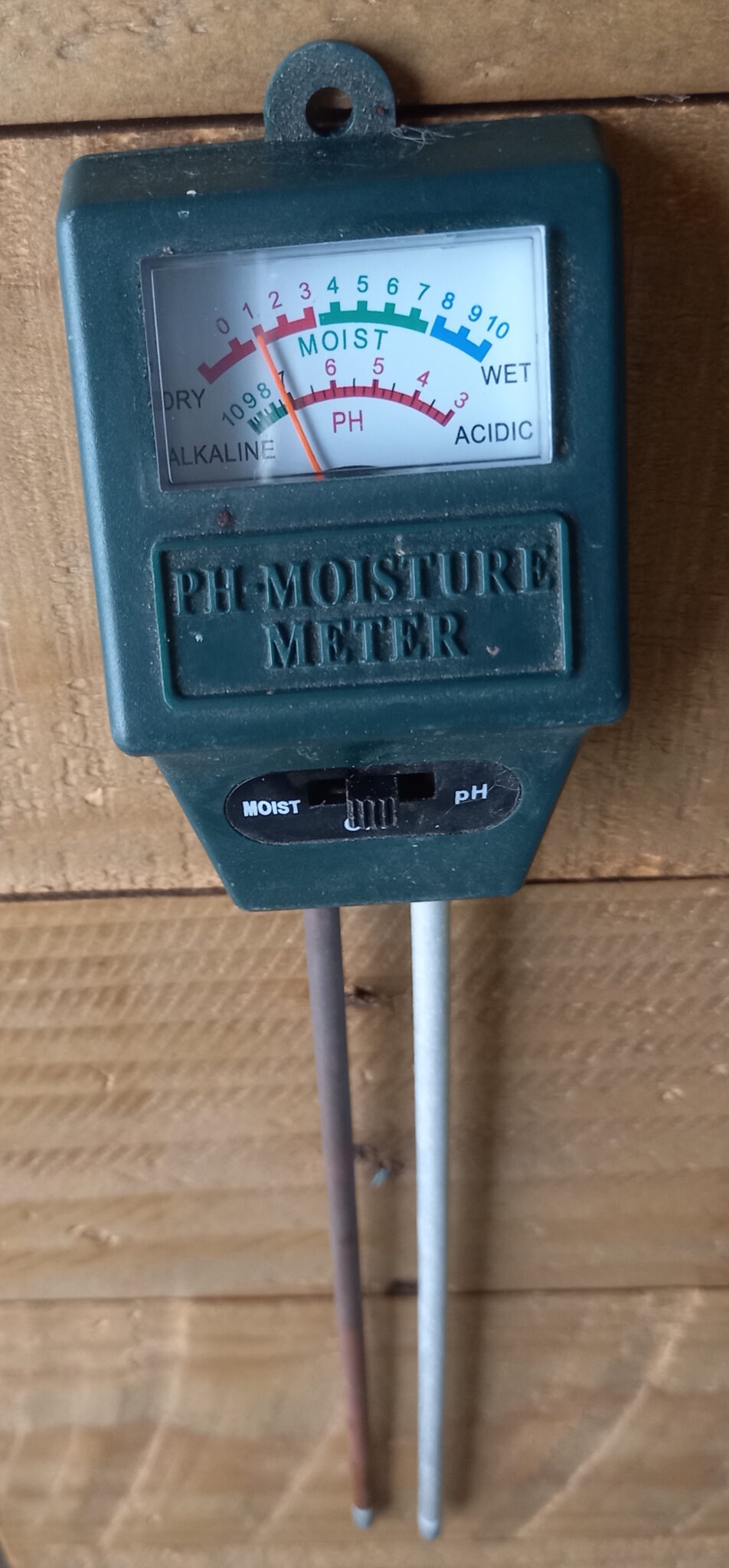
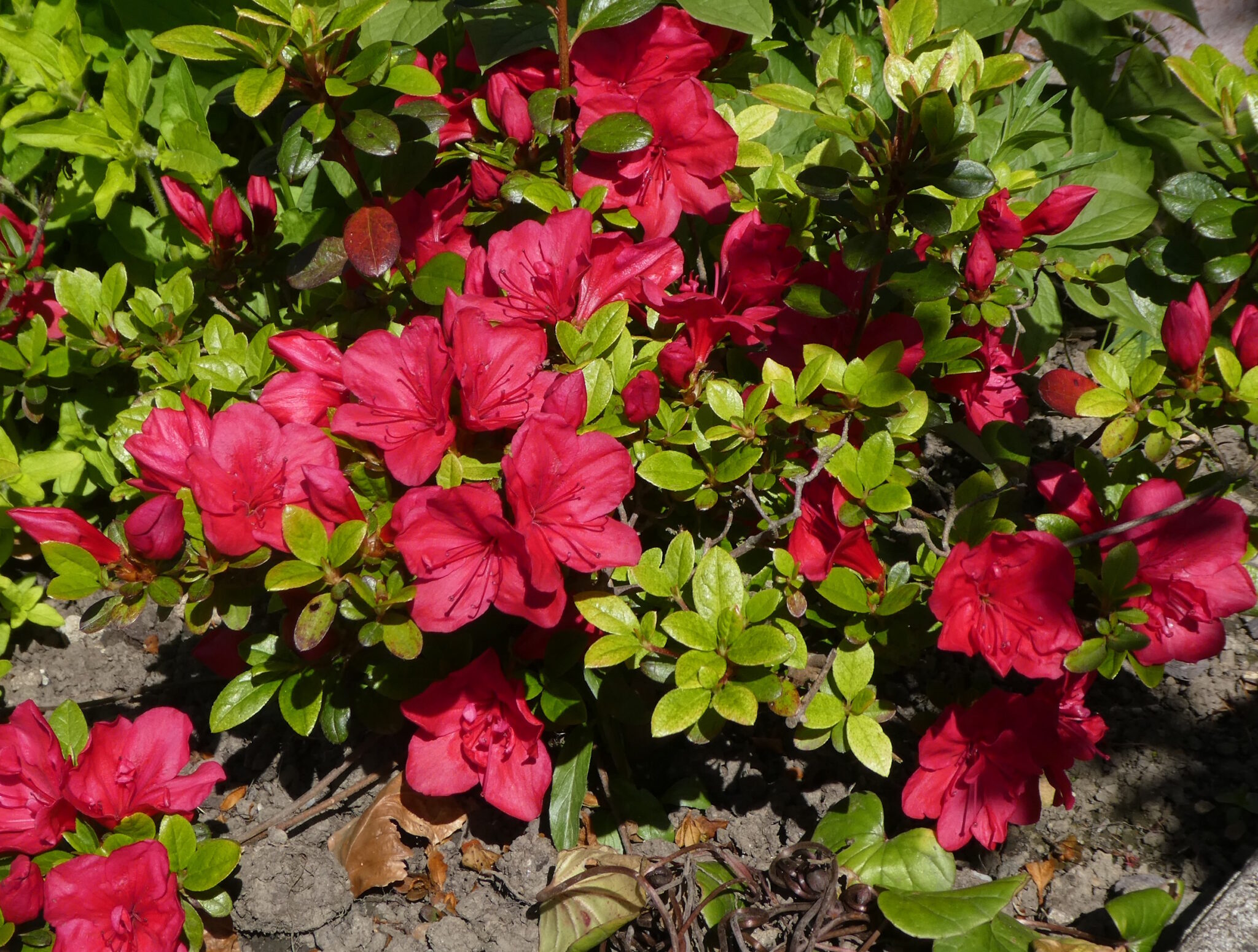
A few soil pH basics. Different plants like different types of soil pH. Soil pH is a number that describes how acid or alkaline your soil is. A pH below 7 is acidic, at 7 is neutral and above 7 is alkaline. Plants like Clematis and vegetables like neutral to alkaline soil and won’t flower in acid soil. Whereas Azalea’s need acid soil to thrive and flower. Just to be tricksy, some plants, like the Carex pictured, will grow in any kind of soil.
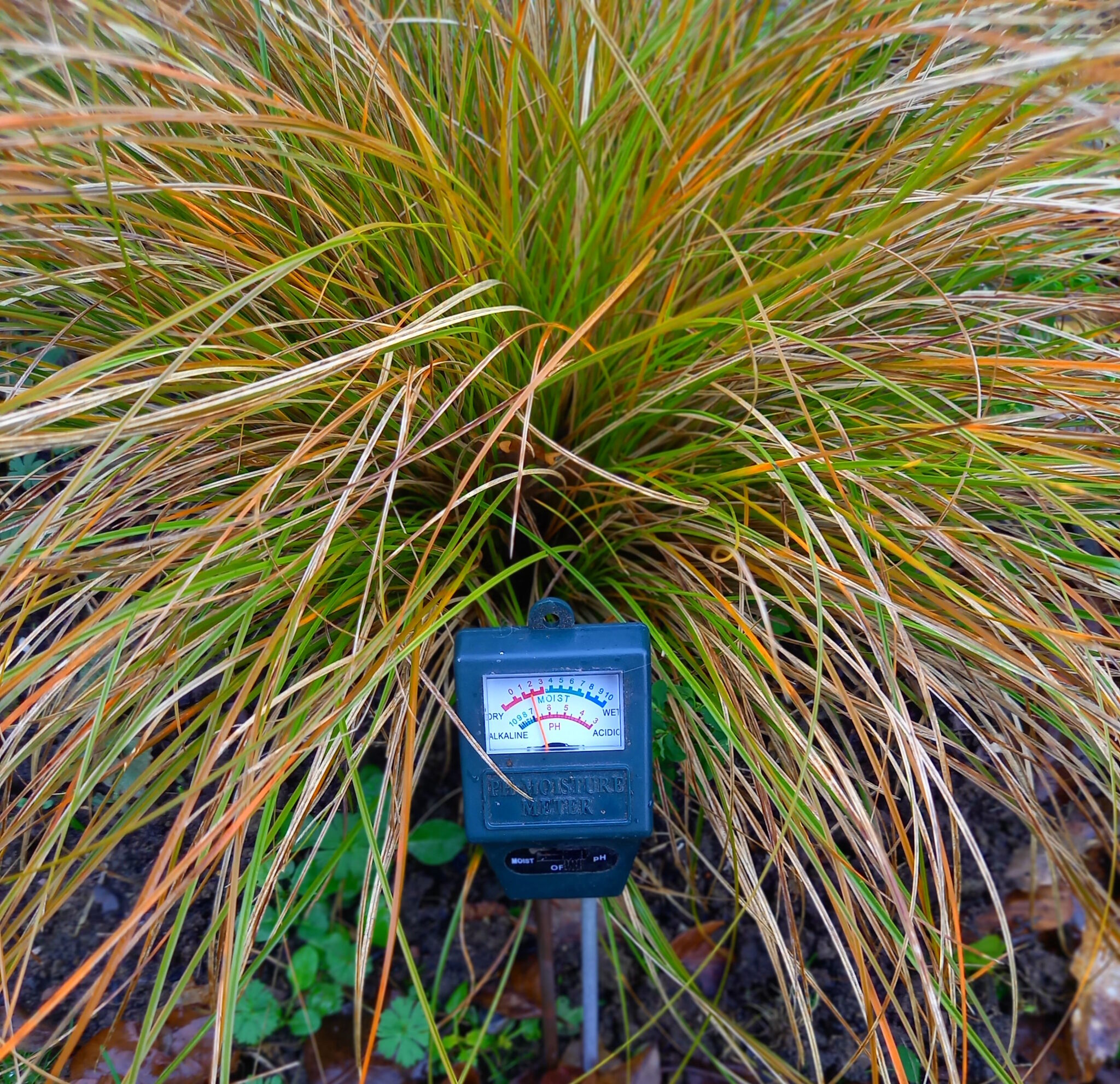
How do you know what kind of soil you have? It’s easiest if you purchase a ‘pH meter’ from places like B&Q for around £15. The soil in my front garden is a mix of mildly acidic, to so acidic that it wants to burst the pH scale. It’s worth taking measurements from several parts of your garden to ensure you have a good overview of your garden’s soil.
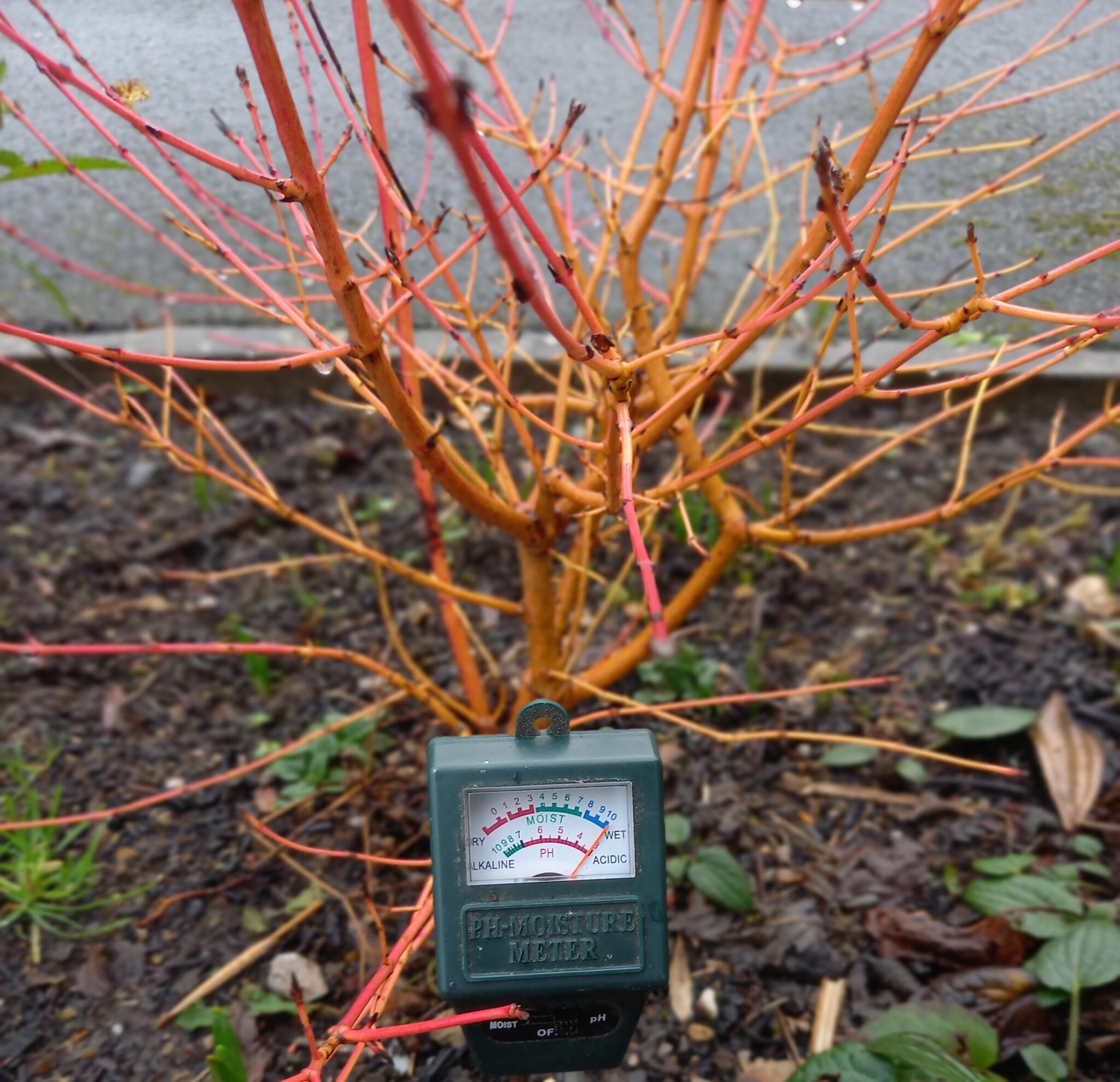
Annoyingly, a lot of plant labels don’t include what type of soil is needed. So check your books/online before purchasing. It will save you money as well as considerable angst. These days I know that Clematis won’t grow in the acidic soil of my current garden, so I grow it in a large planter.
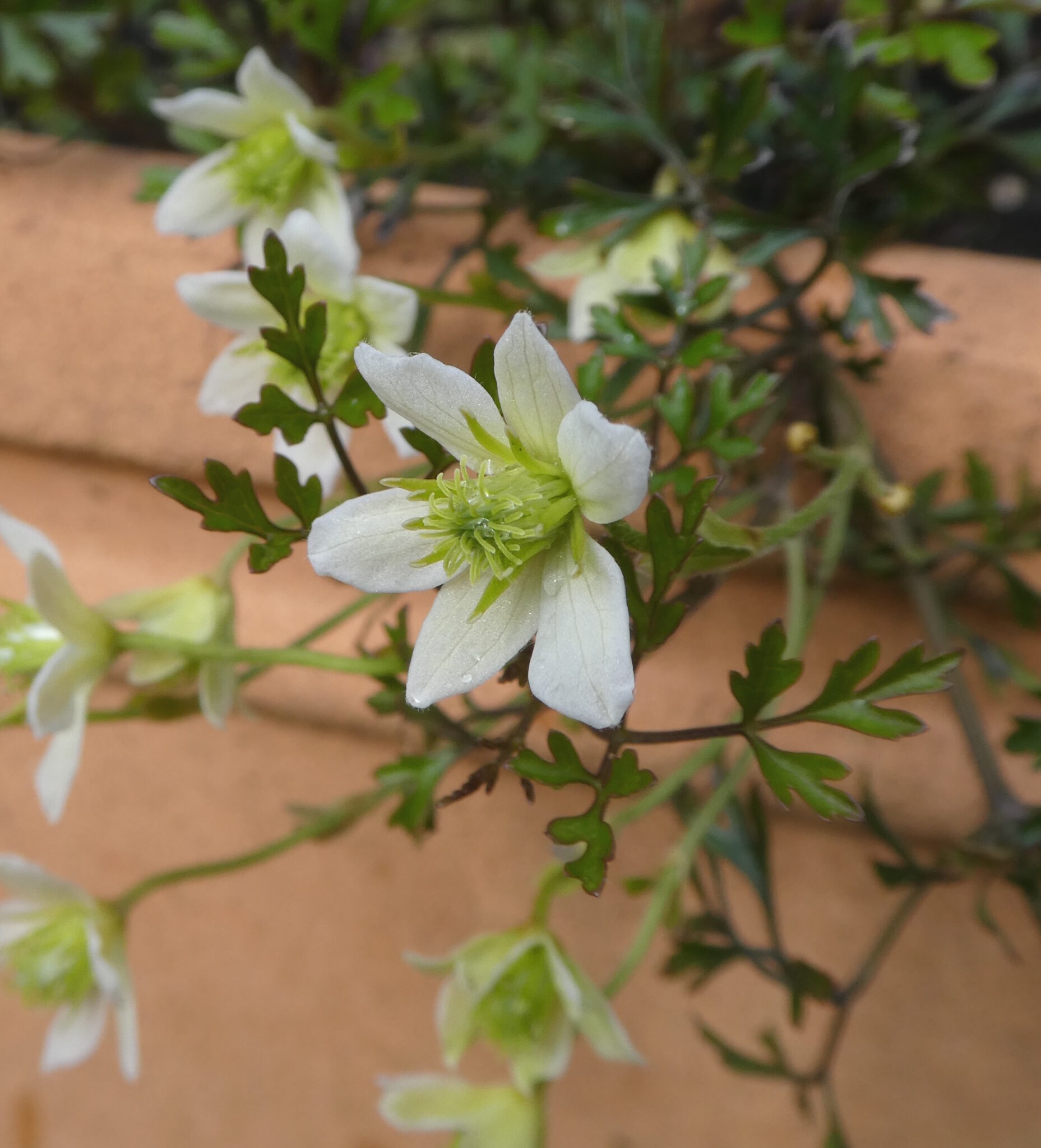
If growing in containers, you don’t need to do a test, but you do need to know what type of compost you need for a specific plant. Acidic plants like Azalea’s need ericaceous compost. Otherwise, using multipurpose compost works for anything that likes alkaline or neutral soil.
Soil is like ME. You need to understand it’s pH to successfully grow your plants that works with its needs, not against it. It’s also useful to understand it’s moisture levels. But that’s for next time.
Hi Gwenfar,
I found your blog on feedspot.. It’s been really lovely to read about your gardens. I developed severe me/cfs sudden onset a year and a half ago. As a former permaculture teacher, I’ve been trying to figure out how to get back to the plants! Do you have any advice on running a blog from your long history?
Thanks,
Caitlin
Hi Caitlin, I’m always sorry to hear someone else has ME. It’s a difficult illness on so many levels. As for advice, I have always written the blog within the context that blogs first started, as a personal online diary. Often writing stuff out helps me work out what I want to do in the garden. I don’t set any goals per se, I just write when I can, which has been less frequently since I got ME. Some people try to go down the making money route, but I think that’s very difficult to achieve and requires very regular writing and a lot (A LOT) of pushing to get your work noticed. For me, I just want to share what I’ve done and learned and hope that occasionally someone else finds it useful. So I think, decide what the purpose of writing a blog is for you and what you want to achieve (if anything beyond just coz you want to write about gardening/permaculture). I think it’s useful to decide in advance if you would accept adverts or guest bloggers; because for me it’s a personal project & not about making money etc, I’ve never wanted to go down these routes. Also, with all the AI slop these days, keeping it personal means you retain control over what is published on your site. I hope some of this is useful 🙂